

 As a tenant, keeping your rental property in top condition isn’t solely about aesthetics or getting your security deposit back. It also supports comfort and protection. Ongoing upkeep helps prevent minor issues from escalating into expensive repairs, while also making your home a place you truly enjoy. With proactive property maintenance, both renters and landlords fulfill important roles. By reporting repair matters quickly and adopting seasonal maintenance tips, you can follow these helpful practices for efficient, tenant-friendly upkeep year-round.
Why Rental Upkeep Matters for Safety and Comfort
It’s well-known that homes need maintenance and repairs occasionally. Yet many renters aren’t aware that regular property maintenance provides direct benefits in many valuable ways. Consistent property upkeep helps make your home safer, more comfortable, and a more enjoyable living environment.
For example, regular maintenance ensures that all appliances, heating and cooling elements, and other major systems are functioning correctly. By simply spotting and reporting small warning signs early, you can help with preventing disruptions and keeping everything operating smoothly.
Seasonal Maintenance Tips for Tenants Year-Round
There are various things that you, as a renter, can do to participate in caring for your space, too. Many of these maintenance tasks are easy and only need to be done once or twice throughout the year.
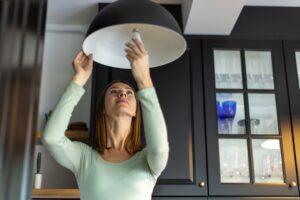
For example, during the spring and summer, small efforts like changing light bulbs, ensuring smoke detectors work properly, or dusting vent covers can help prevent accidents or significant issues. Keeping your home clean and in good repair can also reduce unwanted health hazards such as pests, insects, and mold. Clearing dryer lint, changing furnace filters routinely, and keeping appliances clean are additional ways to keep your rental home running smoothly.
Still, several fall and winter tasks also support safety and health. Noticing and reporting issues with locks, railing stability, exterior lighting, uneven pathways, and electrical issues can mean the difference between security and risk. In the cold winter months, taking precautions to prevent frozen pipes—like letting faucets drip or clearing ice—can greatly reduce the risk of disaster developing later. These steps serve both you and your landlord.
Working with Your Property Manager for Repairs
It’s vital to collaborate with your landlord to ensure property maintenance issues are taken care of promptly. Part of this process is understanding who is responsible for each maintenance and repair task. If you have a good lease, it generally specifies what your landlord expects you to handle in property upkeep. Landlords and property managers usually manage major repairs, structural upkeep, plumbing, and electrical concerns. Routine inspections and preventative measures are often included in their responsibilities.
You may also be expected to perform some basic maintenance. If you’re uncertain about your responsibilities, ask your landlord for clarification. This guarantees that issues are addressed by the appropriate person efficiently.
Lastly, maintain open lines of communication with your landlord. Report maintenance issues immediately and utilize online portals or formal request systems when possible. Clear communication ensures rental property upkeep remains on track, avoids misunderstandings, and guarantees repairs are completed promptly.
Rental Maintenance Is a Shared Responsibility
Keeping a rental property in good condition throughout the year is a shared responsibility. By following practical maintenance strategies and staying in communication with your landlord, you ensure a safe and happy rental experience.
Ready to partner with a local company emphasizing good upkeep? Call your Real Property Management Associates office today at 508-509-4485. We’ll guide you to find a rental home in Cape Cod that you’ll enjoy calling home!
This content is provided for general informational and educational purposes only and does not constitute financial, legal, tax, or investment advice. Readers should consult with licensed professionals regarding their specific circumstances.
We are pledged to the letter and spirit of U.S. policy for the achievement of equal housing opportunity throughout the Nation. See Equal Housing Opportunity Statement for more information.
